
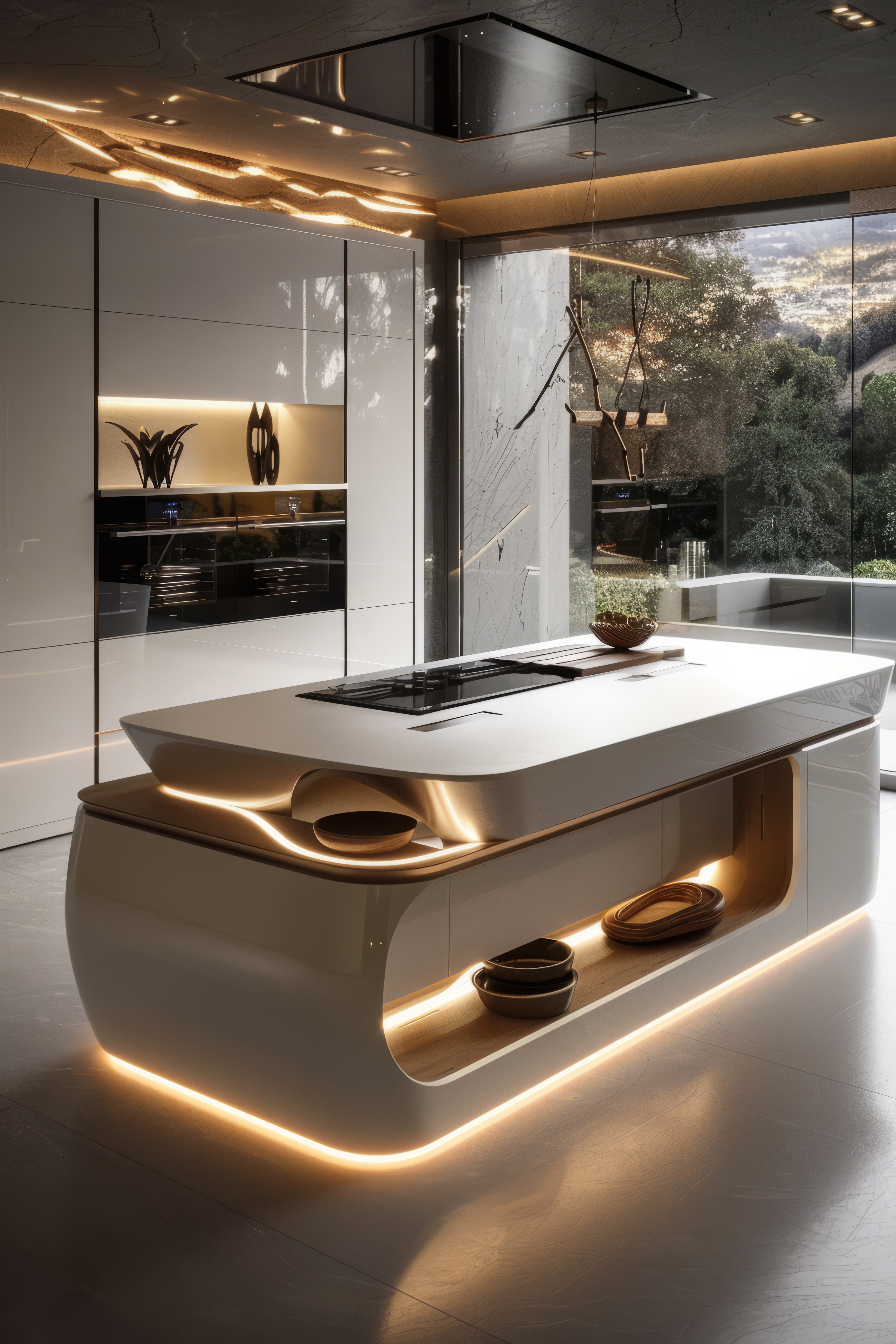
The modern luxury kitchen is undergoing a quiet transformation. For decades, kitchens proudly displayed appliances, cooktops, and hardware as symbols of functionality. Today, the trend is moving in the opposite direction. Designers and homeowners are embracing cleaner surfaces, uninterrupted lines, and technology that blends seamlessly into the architecture itself.
This shift has given rise to the concept of invisible kitchen design, a sophisticated approach where cooking technology, storage, and work surfaces integrate so naturally that the kitchen feels more like a curated living space than a traditional workspace.
At the heart of this movement are integrated induction systems, large-format porcelain surfaces, concealed storage, and minimalist detailing. For luxury homeowners, architects, and modular kitchen specialists, invisible kitchens represent the next evolution of contemporary living: a space where aesthetics and performance coexist without compromise.
In this guide, we explore how integrated induction slabs and large-format surfaces are redefining kitchen design and why this trend is becoming a hallmark of premium homes.
Understanding the Rise of Invisible Kitchen Design
Luxury interiors are increasingly focused on visual calm. Open-plan living has blurred the boundaries between kitchens, dining spaces, and living rooms. As a result, homeowners want kitchens that contribute to the overall design language rather than interrupt it.
An invisible kitchen design prioritizes:
- Minimal visual clutter
- Concealed functionality
- Seamless material continuity
- Architectural integration
Rather than showcasing appliances, the goal is to create surfaces that appear uninterrupted until they are needed.
The result is a kitchen that feels sophisticated, organized, and timeless.
The Hidden Induction Cooktop: Technology Disappears into the Surface
One of the most exciting innovations in kitchen design is the hidden induction cooktop.
Unlike traditional cooktops that are clearly visible, these systems are installed beneath specialized porcelain or ceramic surfaces. Cooking zones remain invisible until activated, allowing the countertop to serve multiple purposes throughout the day.
How It Works
Advanced induction technology transfers energy through the countertop material directly into induction-compatible cookware.
When not in use, the surface functions as:
- A preparation area
- A serving counter
- A dining surface
- A social gathering space
This flexibility is especially valuable in luxury homes where multifunctional design is increasingly important.
Porcelain Countertop Slabs: The Foundation of Invisible Kitchens
The success of an invisible kitchen depends heavily on surface selection. This is where porcelain countertop slabs have become industry favorites.
Porcelain offers a unique combination of beauty and performance.
Why Designers Prefer Porcelain
Heat Resistance
Porcelain can tolerate high temperatures without warping or discoloration.
Low Porosity
Unlike some natural stones, porcelain absorbs very little moisture, making it highly hygienic.
Scratch Resistance
Daily kitchen activities have minimal impact on properly installed porcelain surfaces.
Design Versatility
Porcelain slabs can replicate:
- Marble
- Travertine
- Concrete
- Limestone
- Metallic finishes
This versatility allows designers to create luxurious aesthetics while maintaining exceptional durability.
Seamless Kitchen Islands: The New Luxury Centerpiece
In many contemporary homes, the island has become the focal point of the kitchen. Invisible kitchen concepts elevate this further through seamless kitchen islands.
A seamless island eliminates unnecessary visual interruptions.
Characteristics of a Seamless Island
- Continuous surface materials
- Integrated cooking zones
- Hidden storage systems
- Minimal visible joints
When combined with concealed induction technology, the island becomes a multifunctional centerpiece capable of transitioning effortlessly between cooking, entertaining, and dining.
Minimalist Luxury Kitchens Focus on Experience, Not Excess
True luxury today is rarely about adding more elements. Instead, it is about creating environments that feel effortless.
This philosophy has driven the popularity of minimalist luxury kitchens.
Key Principles
- Visual Simplicity: Handleless cabinetry and integrated appliances reduce distractions.
- Material Consistency: Using the same material across counters, backsplashes, and islands creates cohesion.
- Functional Precision: Every element serves a purpose while maintaining visual harmony.
The goal is not emptiness. It is intentional design.
Large Kitchen Tiles and the Power of Continuity
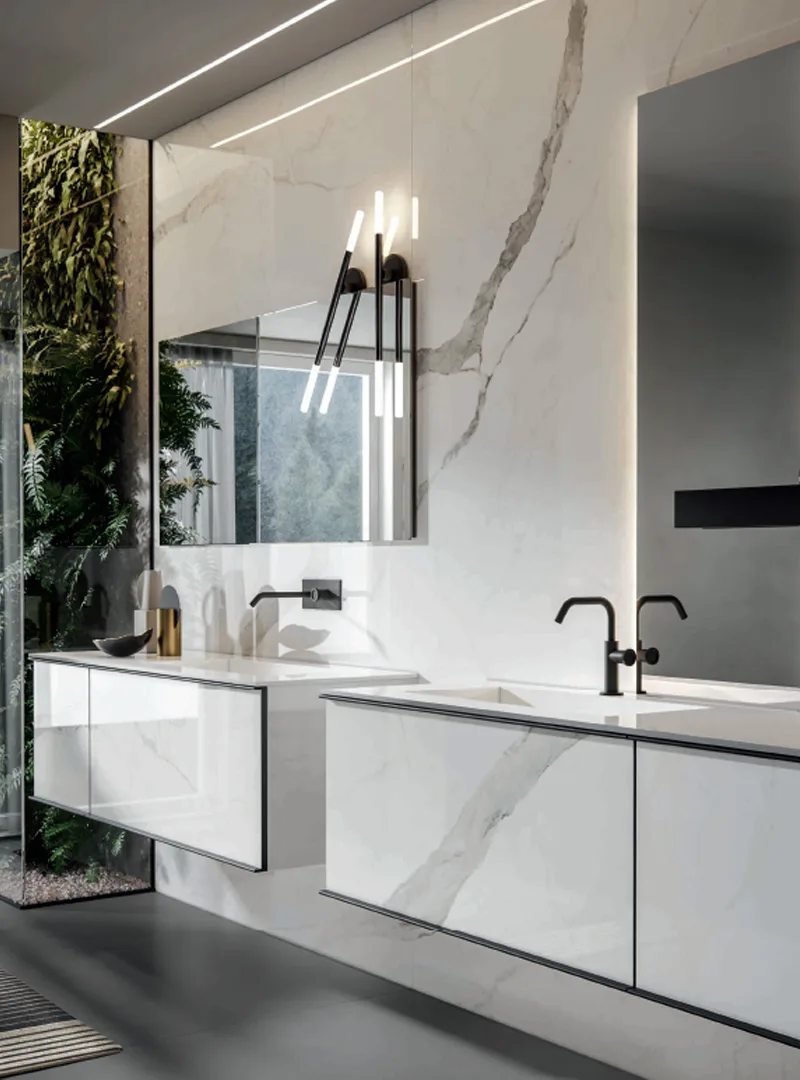
Surface continuity plays a critical role in invisible kitchen design. This is where large kitchen tiles make a significant impact.
Traditional smaller tiles introduce multiple grout lines that break visual flow. Large-format surfaces create a cleaner, more expansive appearance.
Benefits of Large Kitchen Tiles
- Fewer Visual Interruptions: Larger tiles create broader uninterrupted planes.
- Easier Maintenance: Reduced grout lines mean less cleaning and less long-term discoloration.
- Enhanced Spatial Perception: Even compact kitchens appear larger and more refined.
Large-format porcelain surfaces are particularly effective in open-plan luxury homes where flooring and kitchen areas flow into one another.
Smart Kitchen Surfaces: Where Technology Meets Design
The future of kitchen design is increasingly centered around smart kitchen surfaces.
These surfaces do more than look beautiful. They actively contribute to functionality.
Examples include:
- Integrated induction zones
- Touch-sensitive controls
- Wireless charging areas
- Antibacterial surfaces
- Heat-resistant worktops
The kitchen is evolving from a collection of separate appliances into a unified ecosystem.
For homeowners who value technology without visual clutter, smart surfaces represent a natural progression.
Integrated Cooking Surfaces Create More Flexible Living
Traditional cooktops permanently occupy valuable countertop space. Integrated cooking surfaces solve this problem by allowing the same surface to perform multiple roles.
This flexibility benefits modern lifestyles in several ways.
- Better Entertaining: The island remains visually clean when guests arrive.
- Improved Workflow: Additional preparation space becomes available when cooking is not taking place.
- Greater Design Freedom: Architects can create cleaner floor plans without accommodating bulky appliances.
As homes continue to embrace open-concept layouts, integrated cooking surfaces are becoming increasingly relevant.
Modern Kitchen Aesthetics Are Moving Toward Architectural Simplicity
Current modern kitchen aesthetics emphasize proportion, materiality, and subtle sophistication.
The focus is shifting away from highly decorative kitchens toward spaces defined by:
- Precise detailing
- Natural textures
- Integrated technology
- Sculptural simplicity
Invisible kitchens embody these principles perfectly.
Rather than competing for attention, they support the architecture of the home as a whole.
Practical Considerations Before Choosing an Invisible Kitchen
While invisible kitchens offer impressive visual benefits, successful implementation requires careful planning.
Material Compatibility
Not all countertop materials can support hidden induction systems. Always verify technical compatibility.
Professional Installation
Integrated systems require coordination between kitchen designers, fabricators, and electrical specialists.
Ventilation Planning
Cooking still generates heat and steam, making proper ventilation essential.
Lifestyle Assessment
Invisible kitchens work best for homeowners who appreciate clean aesthetics and organized living.
The technology is impressive, but thoughtful planning remains critical.
Why Luxury Homeowners Are Embracing This Trend
The popularity of invisible kitchens reflects broader changes in how people use their homes.
Today’s luxury homeowners value:
- Flexible spaces
- Minimal maintenance
- Architectural coherence
- Technological integration
Invisible kitchen concepts address all four priorities simultaneously.
Rather than treating the kitchen as a separate functional zone, they transform it into an extension of the home’s overall design experience.
MC Luxury and the Future of Kitchen Design
At MC Luxury, premium surface solutions and large-format porcelain collections support the growing demand for sophisticated kitchen environments.
From advanced porcelain countertop slabs to luxury surface materials that enable seamless integration, the focus is on helping homeowners and designers create kitchens that balance innovation, performance, and timeless design.
These curated solutions make it possible to achieve the clean lines and material continuity that define contemporary luxury living.
Conclusion
The evolution of the kitchen is no longer just about appliances or storage. It is about creating spaces that feel intuitive, elegant, and visually effortless.
An invisible kitchen design combines advanced technology with architectural restraint, allowing surfaces, cooking systems, and storage to work together as a unified whole. Through hidden induction cooktop technology, seamless kitchen islands, large kitchen tiles, and innovative smart kitchen surfaces, homeowners can achieve a level of sophistication that feels both modern and enduring.
For those seeking a kitchen that blends seamlessly into the broader living environment, invisible kitchens represent one of the most compelling directions in contemporary design. Explore the curated luxury surface collections at MC Luxury and discover how integrated design can redefine the heart of your home.