
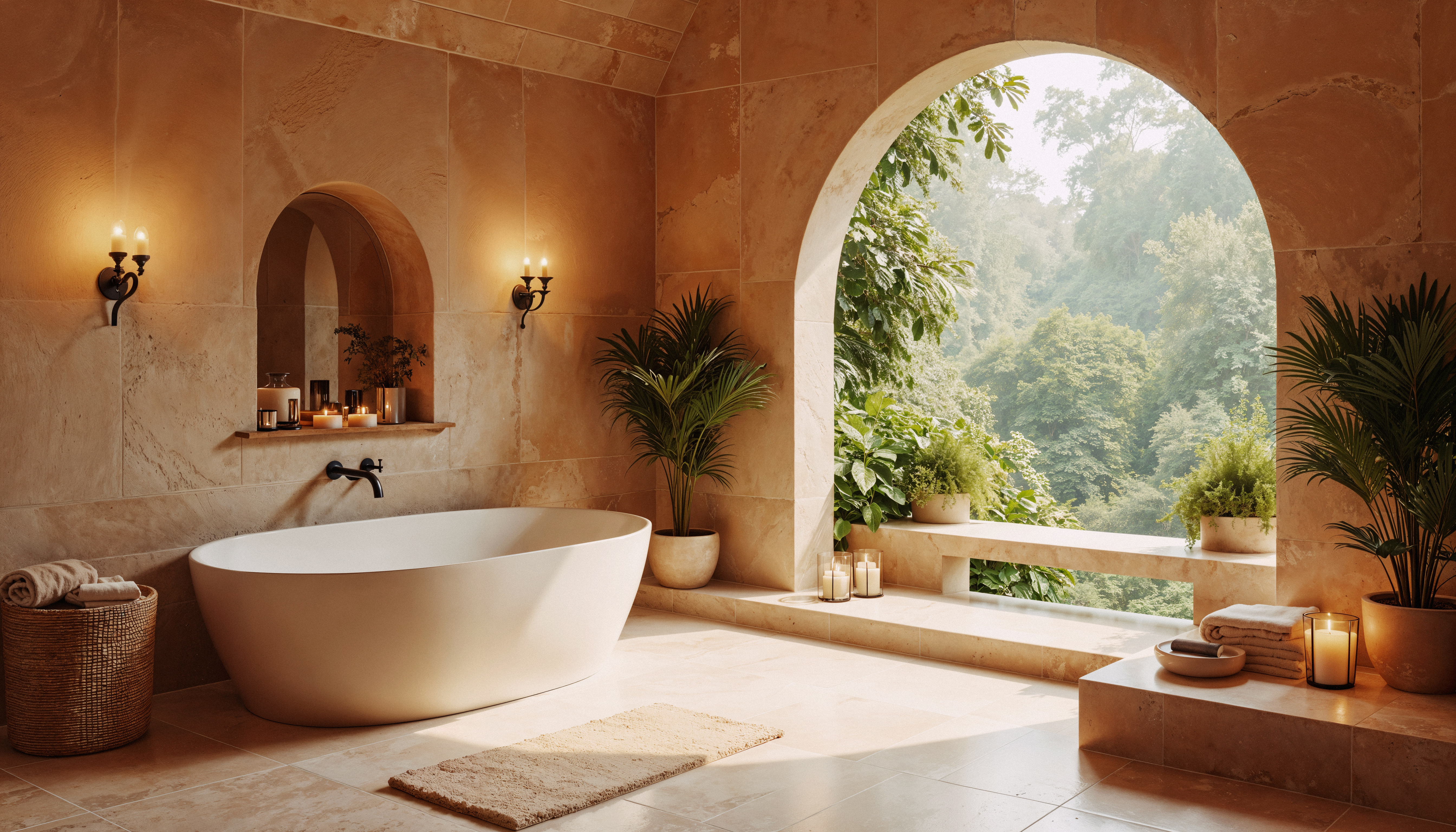
Luxury bathroom design is changing. For years, luxury was often associated with grand chandeliers, highly polished surfaces, ornate detailing, and dramatic visual statements. Today, a different philosophy is shaping high-end interiors. Homeowners are moving toward spaces that feel calm, intentional, and deeply restorative.
This shift has fueled the popularity of Japandi bathroom design, a style that blends the understated elegance of Japanese interiors with the warmth and functionality of Scandinavian design. The result is a bathroom that feels balanced, uncluttered, and naturally inviting.
At the same time, the concept of quiet luxury interiors has become a defining trend in premium homes. Rather than showcasing luxury through obvious displays, quiet luxury emphasizes craftsmanship, authentic materials, thoughtful proportions, and timeless design.
For wellness-focused homeowners, boutique interior designers, retreat developers, and minimalist enthusiasts, the Japandi bathroom offers an ideal balance of sophistication and serenity. It transforms the bathroom from a purely functional space into a sanctuary designed for everyday wellbeing.
Understanding the Philosophy Behind Japandi Design
Before selecting tiles or fixtures, it helps to understand what makes Japandi unique.
Japanese design traditionally values simplicity, balance, natural materials, and a strong connection to nature. Scandinavian design shares many of these principles while introducing warmth, comfort, and functionality.
When combined, these philosophies create spaces that feel both refined and welcoming.
Core Characteristics of Japandi Bathrooms
- Clean architectural lines
- Natural-inspired materials
- Muted color palettes
- Purposeful design decisions
- Minimal visual clutter
- Strong emphasis on texture
The goal is not to create an empty space. The goal is to create a space where every element feels meaningful.
Japandi Bathroom Design and the Rise of Quiet Luxury
One reason Japandi bathroom design has become so popular is its alignment with the broader movement toward quiet luxury interiors.
Unlike trend-driven styles that rely on constant updates, quiet luxury focuses on enduring quality.
What Defines Quiet Luxury?
Quiet luxury is expressed through:
- Premium craftsmanship
- Natural material authenticity
- Timeless design language
- Subtle detailing
- Long-term functionality
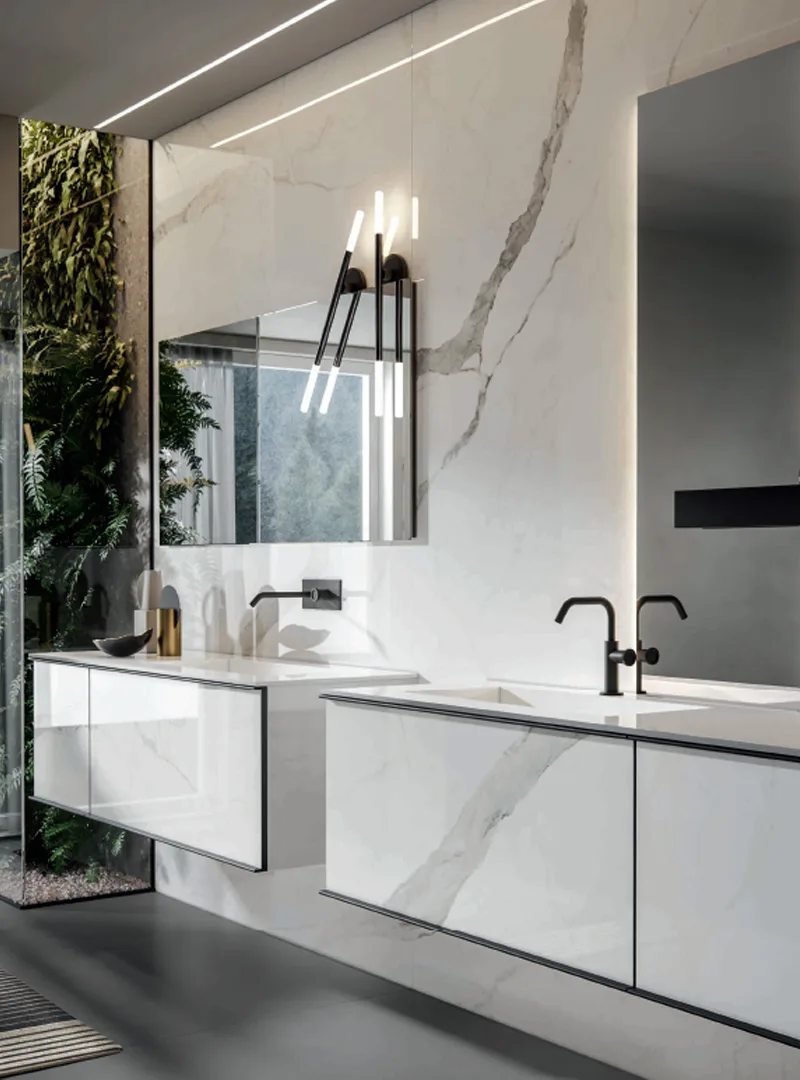
In a bathroom, this might mean selecting perfectly crafted sanitaryware, textured porcelain surfaces, or thoughtfully integrated lighting rather than relying on excessive decoration.
The luxury is felt rather than announced.
Creating a Soft Minimalism Bathroom
A successful soft minimalism bathroom avoids extremes. It is neither stark nor overly decorative.
Instead, it balances restraint with warmth.
Prioritize Comfort
Minimalist spaces sometimes feel cold because they eliminate too much texture. Soft minimalism takes a different approach.
It introduces warmth through:
- Natural-inspired surfaces
- Warm neutral colors
- Layered lighting
- Organic shapes
These elements soften the overall environment without creating visual clutter.
Focus on Simplicity, Not Emptiness
Every element should serve a purpose. The absence of unnecessary items allows materials and craftsmanship to become more noticeable.
Matte Finish Bathroom Tiles: The Foundation of Japandi Style
Surface selection plays a major role in creating the right atmosphere. Among the most important choices are matte finish bathroom tiles.
Unlike glossy finishes that reflect light aggressively, matte surfaces create a softer visual experience.
Benefits of Matte Tiles
- Reduced glare
- Greater visual warmth
- Better tactile quality
- Easier integration with natural materials
Matte finishes also reinforce the calm, grounded feeling that defines Japandi-inspired spaces.
Large-format matte porcelain tiles are particularly effective because they create visual continuity while minimizing grout lines.
Wood Effect Tiles Bring Warmth Without Maintenance Concerns
Natural wood is a hallmark of both Japanese and Scandinavian interiors. However, bathrooms present unique moisture challenges.
This is where wood effect tiles become an excellent solution.
Why Designers Choose Wood Effect Tiles
Modern porcelain technology allows wood-look surfaces to replicate:
- Natural grain patterns
- Subtle color variation
- Authentic texture
At the same time, they provide:
- Water resistance
- Easy maintenance
- Long-term durability
Wood effect flooring, wall cladding, and vanity surrounds introduce warmth while maintaining practical performance.
Earthy Tone Sanitaryware Creates a Natural Palette
Traditional white sanitaryware remains popular, but Japandi interiors increasingly embrace softer alternatives.
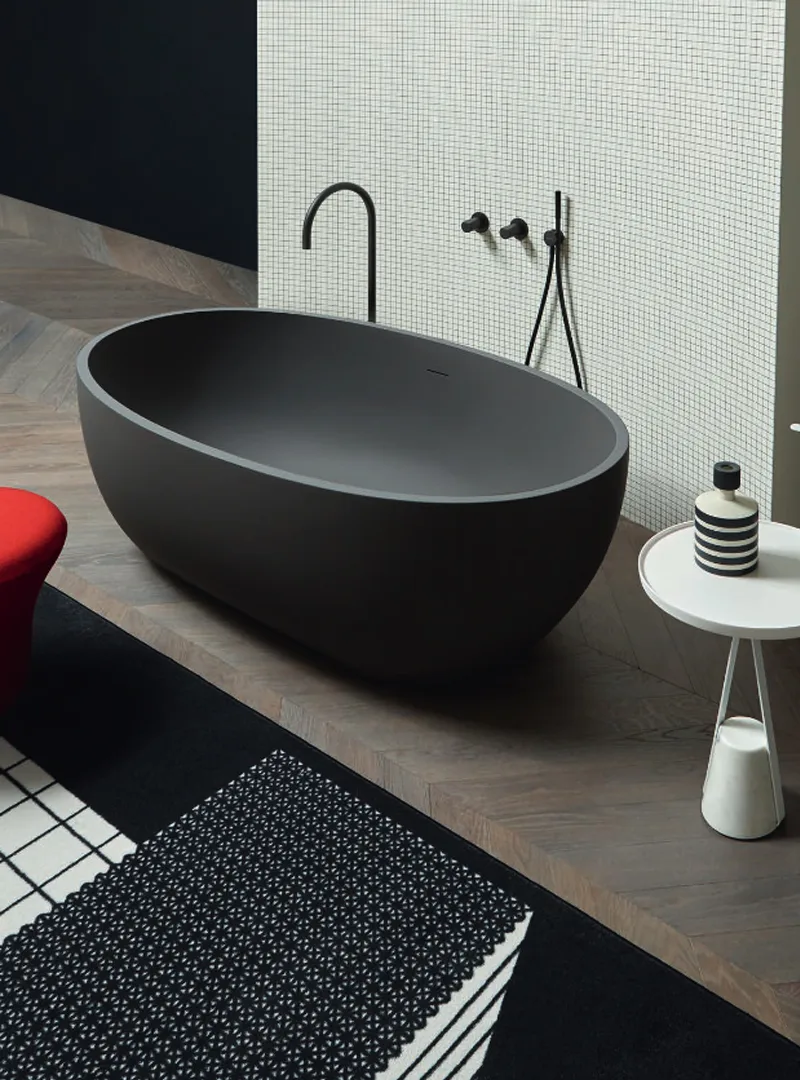
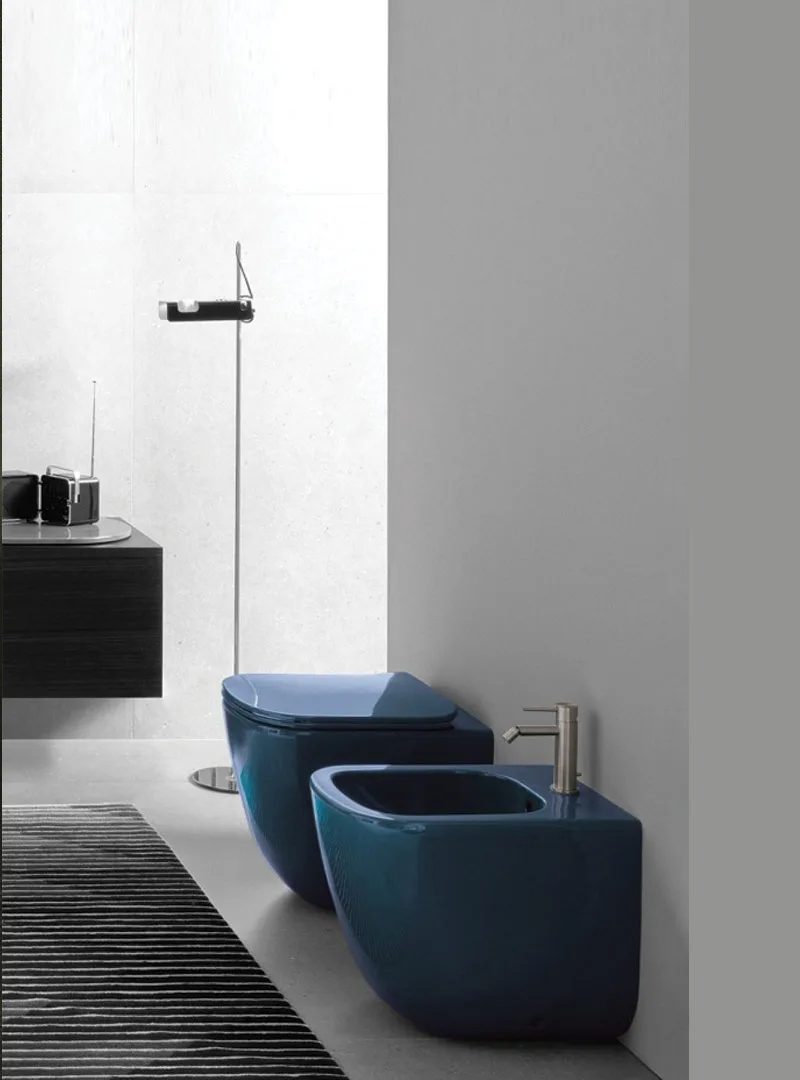
Earthy tone sanitaryware helps create a stronger connection to nature.
Popular tones include:
- Sand
- Clay
- Warm beige
- Stone grey
- Soft taupe
These colors integrate naturally with wood textures, matte finishes, and organic materials.
The result feels more relaxed and less clinical than conventional bathroom palettes.
Organic Bathroom Surfaces Enhance Sensory Experience
Japandi design places significant importance on how materials feel, not just how they look.
This is why organic bathroom surfaces play such an important role.
Materials That Work Well
- Stone-inspired porcelain
- Travertine finishes
- Natural-look composites
- Textured concrete effects
These surfaces create depth through subtle variation rather than bold patterning.
The objective is to make the bathroom feel connected to the natural world while maintaining contemporary functionality.
Tactile Wall Tiles Add Quiet Character
Texture is often overlooked in bathroom design, yet it is essential for creating visual richness within minimalist interiors.
Tactile wall tiles introduce depth without relying on strong colors or decorative motifs.
Popular Textured Tile Styles
- Fluted surfaces
- Handmade-look ceramics
- Linear relief patterns
- Soft stone textures
When illuminated correctly, textured tiles create shadows that change throughout the day, adding movement and character to the space.
This approach aligns perfectly with Japandi principles, where beauty often emerges from subtle details.
Japandi Style Bangalore: Why the Trend Is Growing
The popularity of Japandi style Bangalore reflects changing homeowner priorities.
Urban lifestyles are increasingly fast-paced and digitally connected. As a result, many people want homes that offer moments of calm and restoration.
Why Japandi Works Well in Bangalore Homes
- Complements Modern Architecture: Many contemporary villas and apartments already feature clean architectural lines.
- Supports Wellness-Oriented Living: The style naturally aligns with meditation spaces, wellness routines, and mindful living.
- Adapts to Different Home Sizes: Japandi principles work equally well in compact apartments and expansive villas.
- Timeless Appeal: The restrained aesthetic tends to age gracefully compared to highly trend-driven designs.
Lighting: The Unsung Hero of Japandi Bathrooms
Lighting has a profound effect on the success of a Japandi-inspired space.
Layer Lighting Thoughtfully
Instead of relying solely on bright overhead fixtures, combine:
- Ambient lighting
- Mirror lighting
- Accent illumination
- Indirect lighting
Warm color temperatures typically work best because they enhance wood tones and natural textures.
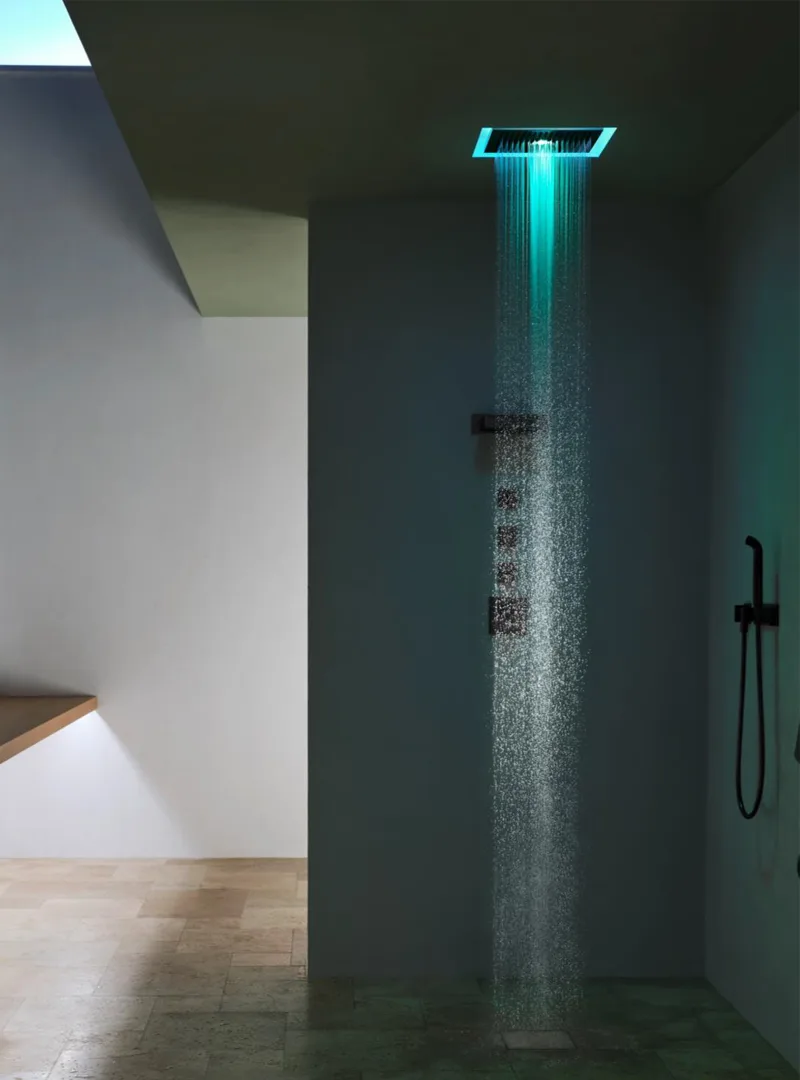
The goal is to create an atmosphere rather than simply increase brightness.
Common Mistakes to Avoid
Even beautifully selected materials can fall short if the design lacks balance.
Avoid These Common Errors
- Excessive decoration
- Too many contrasting materials
- Overly glossy surfaces
- Harsh white lighting
- Cluttered countertops
Japandi design succeeds through consistency and restraint.
Every element should contribute to a cohesive experience.
The Role of Wellness in Modern Bathroom Design
One reason Japandi bathrooms continue to gain popularity is their connection to wellbeing.
A thoughtfully designed bathroom can encourage:
- Slower daily routines
- Reduced visual stress
- Better relaxation
- Improved spatial comfort
The combination of natural materials, warm textures, and intentional simplicity creates an environment that supports mental and physical restoration.
This is particularly valuable in homes where wellness has become a central lifestyle priority.
MC Luxury and the Future of Soft Minimalist Bathrooms
At MC Luxury, curated collections of premium surfaces, luxury sanitaryware, designer tiles, and architectural bathroom solutions align perfectly with the principles of Japandi-inspired design.
From matte finish bathroom tiles and wood effect tiles to elegant basins and refined surface materials, the focus is on helping homeowners create spaces that feel timeless, functional, and deeply personal.
These carefully selected collections support both the visual simplicity and material sophistication that define modern luxury.
Conclusion
The growing appeal of Japandi bathroom design reflects a broader desire for spaces that prioritize calm, authenticity, and thoughtful living. By combining the principles of quiet luxury interiors with the warmth of natural materials and the restraint of soft minimalism, homeowners can create bathrooms that feel restorative rather than merely functional.
Whether through organic bathroom surfaces, earthy tone sanitaryware, tactile wall tiles, or carefully selected wood effect tiles, every design choice contributes to an environment that supports everyday wellbeing.
For those seeking a bathroom that feels timeless, balanced, and beautifully understated, Japandi design offers a compelling path forward. Explore the curated collections at MC Luxury and discover how soft minimalism can transform your bathroom into a sanctuary of quiet luxury.