
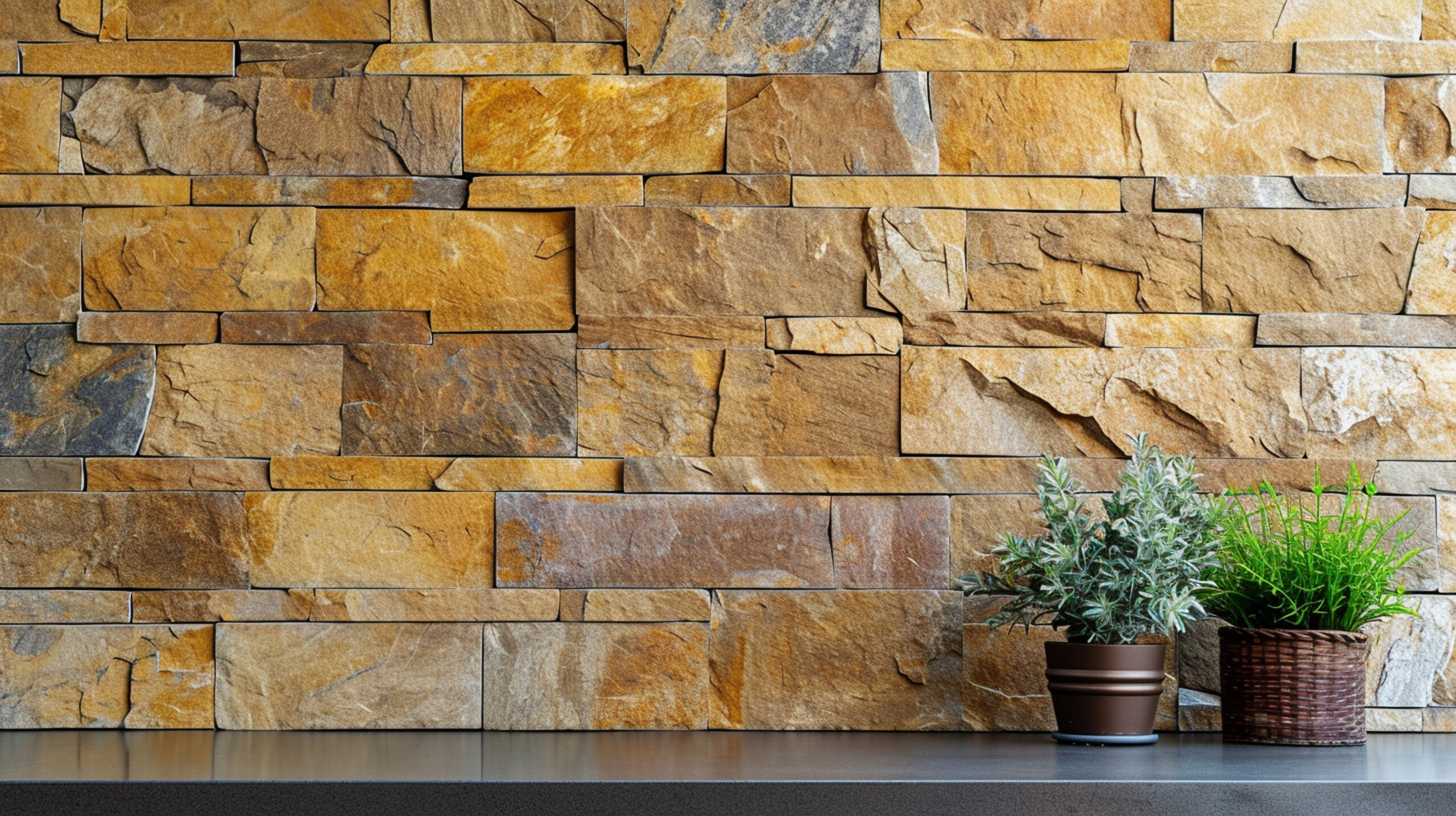
Floors have traditionally been the main stage for tile design. Yet in many of today’s most refined homes, the wall is where the real drama begins. A thoughtfully designed tiled accent wall in living room spaces can transform an ordinary seating area into a striking architectural focal point. It adds texture, depth, scale, and identity without overcrowding the room.
For creative homeowners, interior stylists, luxury apartment owners, and architecture students, accent walls offer an opportunity to express design personality in a controlled, elegant way. Whether it’s a full-height porcelain slab behind a TV unit, handcrafted mosaic framing a lounge corner, or stone-inspired surfaces that add quiet sophistication, statement wall tiles can completely shift how a room feels.
This guide explores how to use premium wall tiles intelligently, what materials work best, and how to create living room walls that feel timeless rather than trend-driven.
Why Walls Matter More Than Ever
Modern interiors are moving toward cleaner furniture lines and fewer decorative objects. As clutter decreases, surfaces take on more responsibility. Walls are no longer background elements; they shape the atmosphere.
A tiled accent wall in a living room setting can help achieve several design goals:
- Create a focal point without extra furniture
- Add texture to minimalist interiors
- Introduce natural materials or stone looks
- Frame entertainment zones elegantly
- Improve perceived depth in compact apartments
Unlike paint, tile offers permanence, tactile quality, and dimensional richness. It also reflects light differently throughout the day, making the wall feel more dynamic.
Tiled Accent Wall in Living Room with Luxury Accent Wall Tiles
Not all wall tiles are suited for premium living spaces. The best luxury accent wall tiles combine strong visual character with restraint. They should feel deliberate, not loud.
What Defines a Luxury Wall Tile?
- Sophisticated surface detailing
- Balanced color variation
- High manufacturing precision
- Clean edge profiles
- Durable finish with low maintenance
Luxury often comes from proportion and finish quality rather than excessive pattern.
Statement Wall with Porcelain Slabs: Seamless Scale and Drama
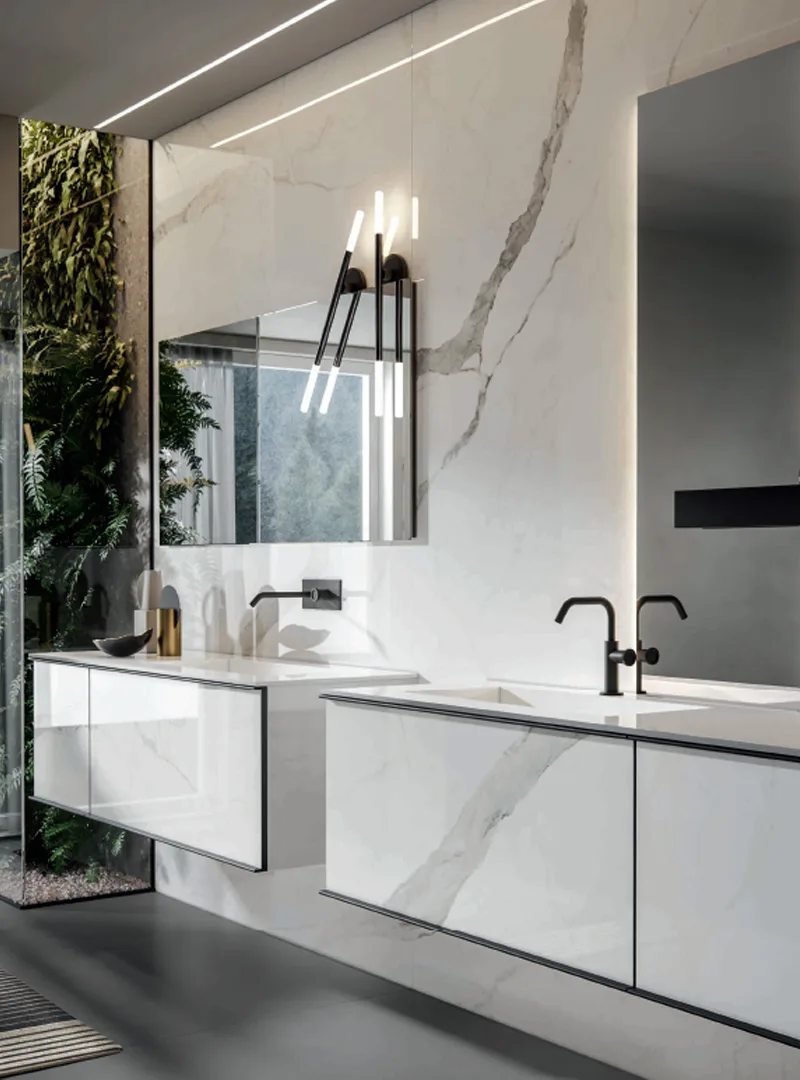
One of the strongest current trends is the statement wall with porcelain slabs. Large-format slabs create a monolithic look with minimal joints, making the wall feel expansive and intentional.
Why Designers Love Porcelain Slabs
- Fewer grout lines for a seamless finish
- Ideal for marble or stone visuals
- Easy to maintain compared with some natural stones
- Suitable for full-height walls
Best Applications
- Behind a sofa arrangement
- TV unit backdrop
- Double-height living spaces
- Entry-to-living transition walls
A dramatic slab with subtle veining can become the visual anchor of the entire room.
Living Room Feature Wall Ideas That Actually Age Well
Some feature walls look exciting for six months, then date by the second year. The best living room feature wall ideas balance expression with longevity.
- Tone-on-Tone Texture Wall: Use a tile close to the wall color but with relief texture. It adds depth subtly.
- Marble-Look Porcelain Slab: Classic and enduring, especially in soft white, beige, or grey.
- Vertical Ribbed Surface: Great for modern apartments needing height emphasis.
- Framed Accent Panel: Use tiles only within a defined section, bordered by painted wall or wood joinery.
- Integrated TV Wall: Combine storage, concealed wiring, and tile cladding in one composition.
Good feature walls feel connected to architecture, not pasted on later.
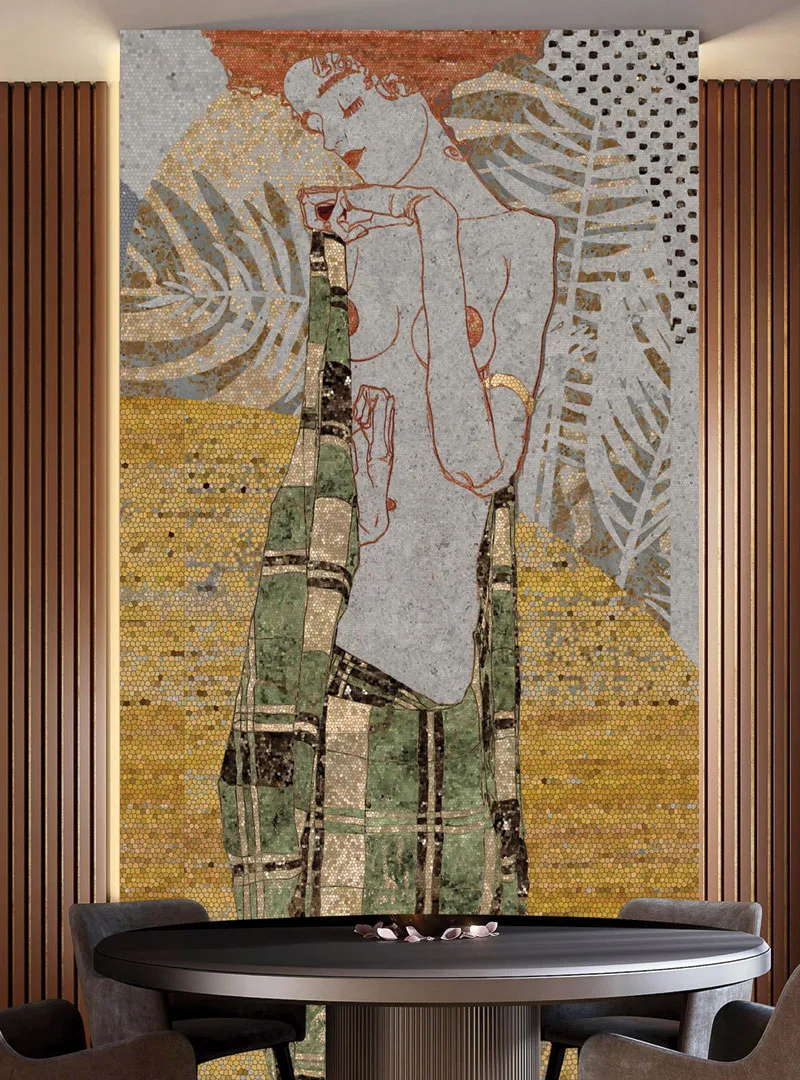
Mosaic Tiles for Accent Wall: Small Scale, Big Character
While slabs offer seamless scale, mosaic tiles for accent wall applications bring detail and craftsmanship.
Where Mosaic Works Best
- Niche walls beside shelving
- Bar corners
- Reading lounge backgrounds
- Framed panels within larger plain walls
Material Options
- Glass mosaic for reflective sparkle
- Stone mosaic for earthy texture
- Metal blends for urban luxury
- Porcelain mosaic for durability
Use mosaic thoughtfully. It is strongest as a focal insert rather than across every wall.
European Wall Coverings: Global Influence with Timeless Appeal
Many premium homes draw inspiration from European wall coverings because they blend history, craftsmanship, and modern restraint.
Popular European Influences
- Limestone-look surfaces from Mediterranean design language
- Marble veining inspired by Italian interiors
- Handmade ceramics from Spain and Portugal
- Soft plaster-effect tiles with contemporary minimalism
These influences work particularly well in Indian homes because they complement both modern furniture and richer materials such as walnut wood, brass, and natural fabrics.
Stone Finish Wall Tiles Indoors: Natural Presence Without Heavy Maintenance
Natural stone is beautiful, but not every homeowner wants the sealing, weight, or upkeep. Stone finish wall tiles indoors offer an excellent alternative.
Advantages
- Lighter than many natural stone systems
- Easier installation
- Consistent thickness and sizing
- Better maintenance profile
- Available in many tones and textures
Ideal Uses
- Warm beige lounge walls
- Rustic-modern villa interiors
- Minimalist grey urban apartments
Stone-look tiles create calm, grounded interiors with strong tactile value.
Luxury TV Unit Wall Tiles: The New Entertainment Backdrop
Televisions often dominate living rooms visually. Smart designers soften this by integrating luxury TV unit wall tiles behind the screen.
Why Tile Works Better Than Paint Alone
- Adds texture around black screen surfaces
- Conceals marks better than flat paint
- Creates a premium built-in appearance
- Coordinates with joinery and lighting
Best Pairings
- Large slab tile + floating console
- Textured tile + concealed LED strip
- Stone-look tile + wood cabinetry
This turns the media wall into a composed design feature rather than an afterthought.
How to Choose the Right Tiled Accent Wall in the Living Room
Before selecting tile, consider these practical factors:
- Room Size: Large patterns suit spacious rooms. Smaller rooms benefit from subtle textures.
- Natural Light: Dark surfaces absorb light. Use them where lighting is controlled.
- Existing Furniture: Bold sofas or artwork may need calmer wall finishes.
- Viewing Distance: Fine textures need closer appreciation; dramatic veining works from afar.
- Maintenance: Choose easy-clean finishes in active family homes.
The right tile should support the room, not compete with it.
Common Mistakes to Avoid
Even premium materials can fail if poorly applied.
Avoid These Errors:
- Overusing a pattern on multiple walls
- Ignoring scale relative to room size
- Poor lighting that hides texture
- Mismatched grout colors
- Using too many competing finishes nearby
A single strong wall usually has more impact than three average ones.
Conclusion: Let the Wall Lead the Room
A living room does not need more objects to feel luxurious. Often, it needs one powerful surface. A well-designed tiled accent wall in living room spaces introduces structure, personality, and elegance in a way paint rarely can.
From luxury accent wall tiles and statement wall with porcelain slabs to mosaic tiles for accent wall and luxury TV unit wall tiles, today’s options allow complete creative freedom.
If you are planning a new apartment, villa, or interior refresh, explore the premium wall tile collections at MC Luxury. Because sometimes the most memorable design statement is not under your feet; it is right in front of you.