
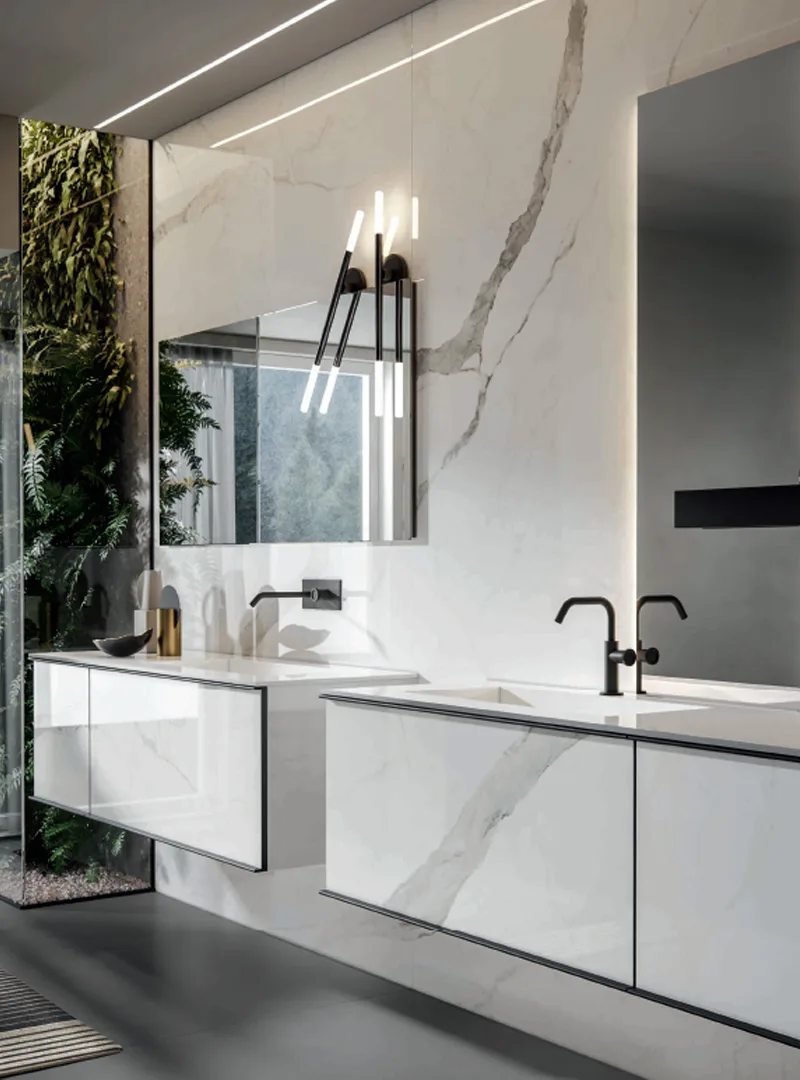
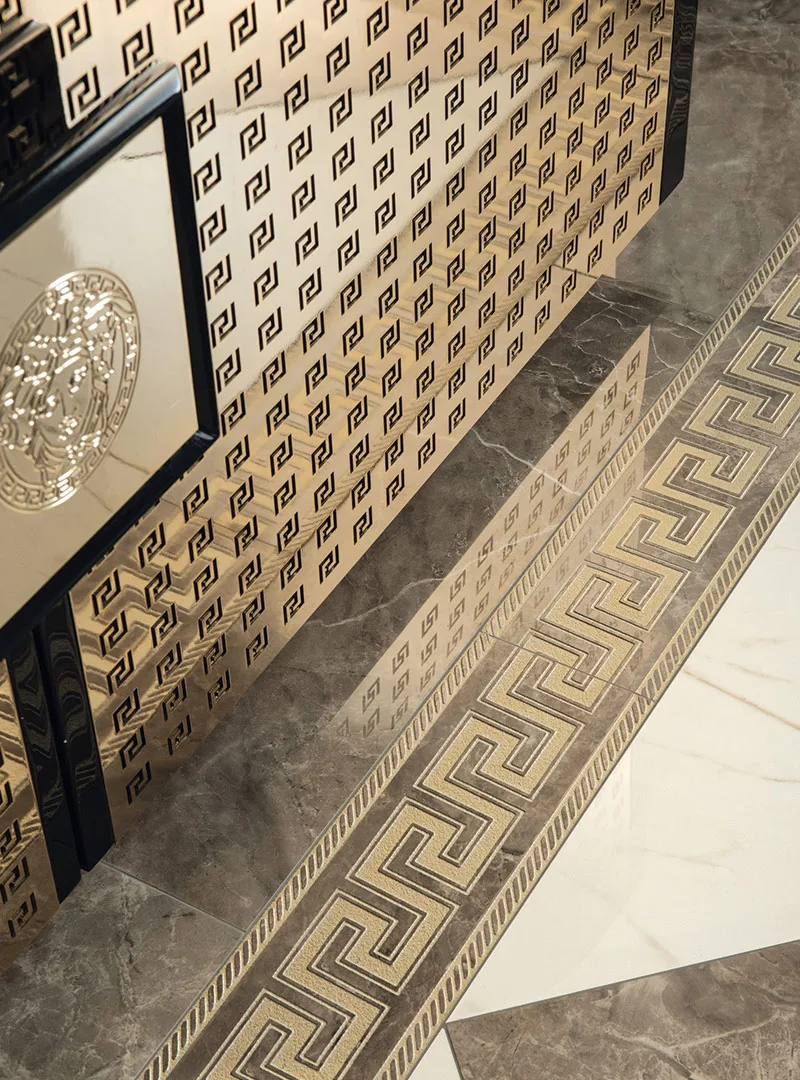
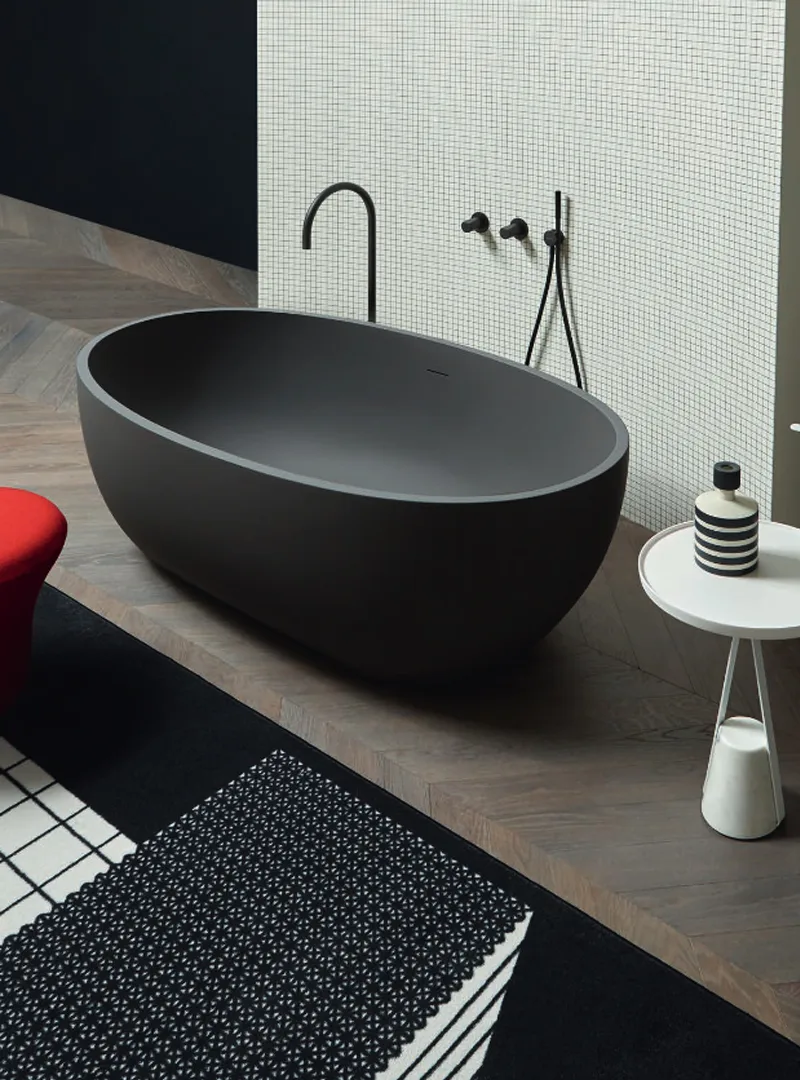
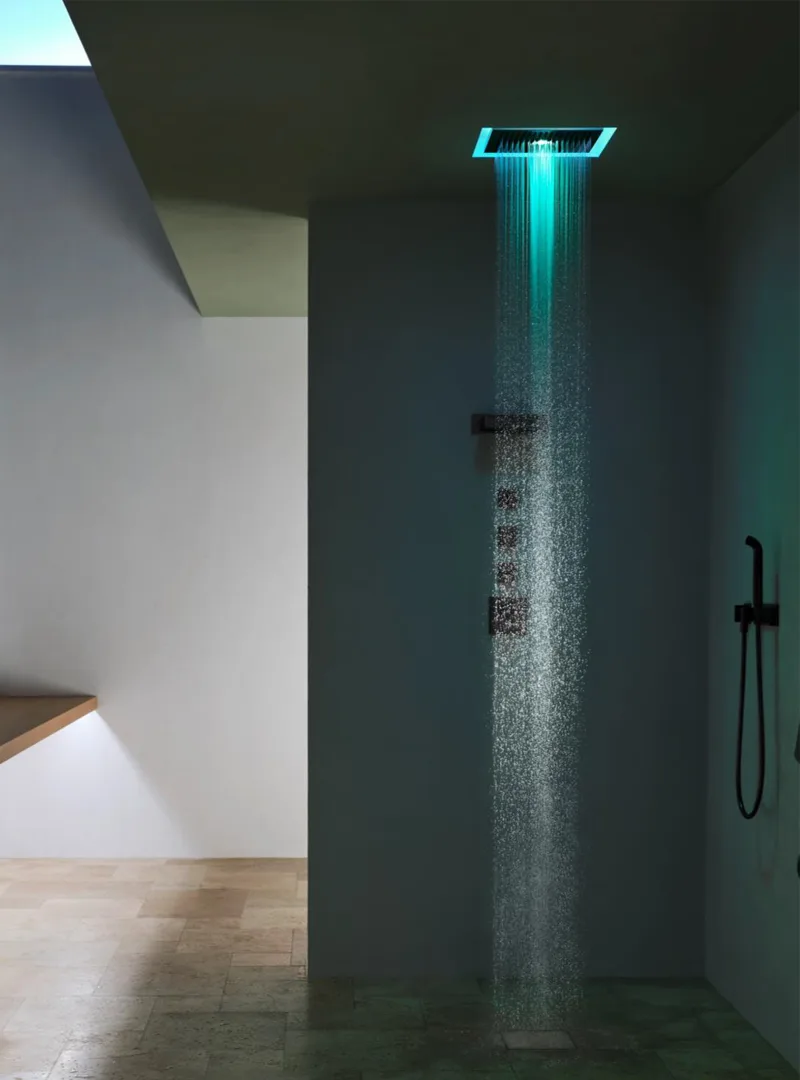
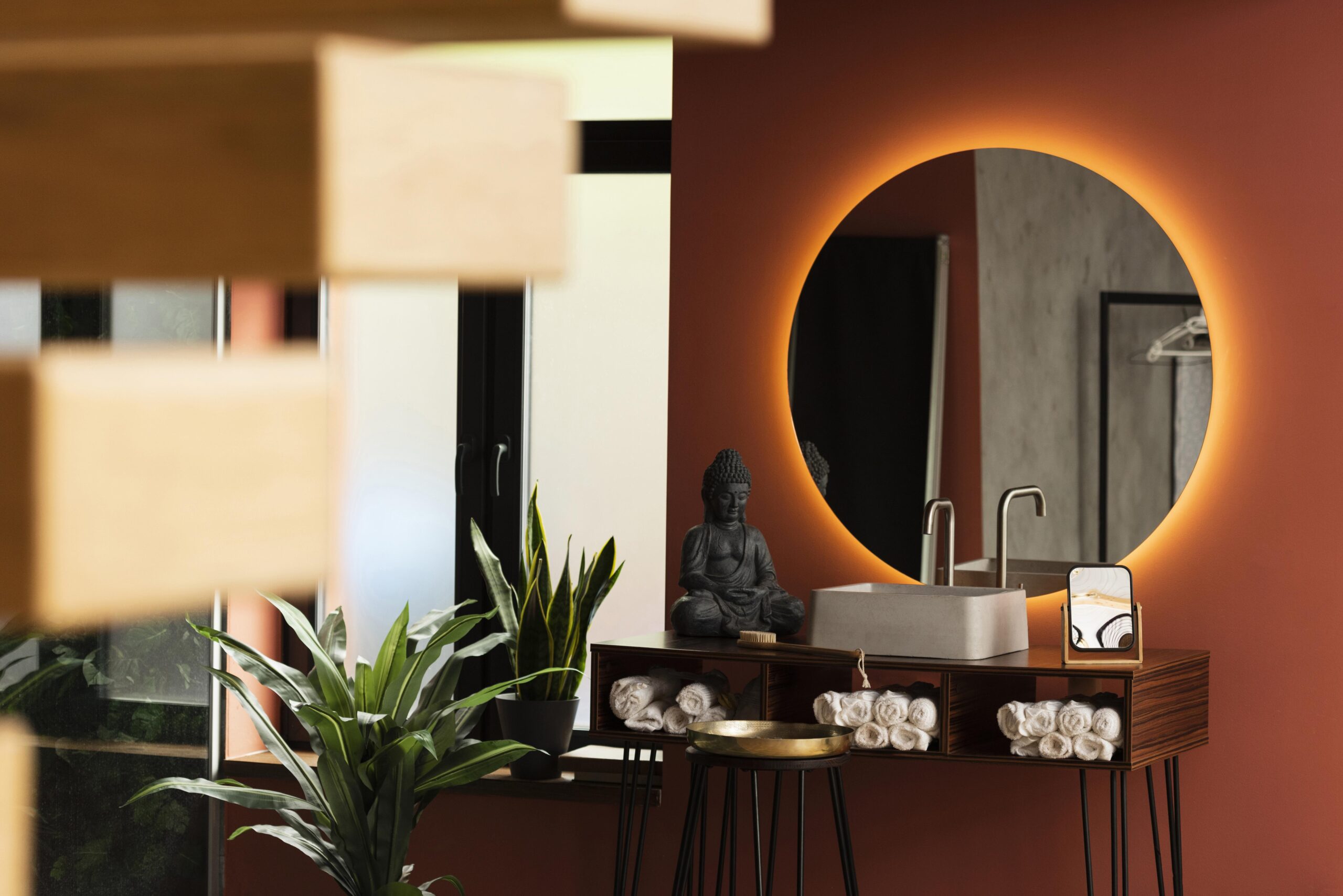
Bathrooms in luxury homes are no longer passive spaces defined only by materials and finishes. They are becoming intelligent environments, where lighting, surfaces, and fixtures respond to user needs with precision. At the centre of this shift is the rise of Smart luxury vanities in Bangalore, combining design clarity with embedded technology.
For tech-savvy homeowners and interior lighting designers, the modern vanity is not just a storage unit with a mirror. It is a coordinated system that integrates lighting temperature control, anti-fog functionality, material detailing, and concealed wiring. When executed correctly, it enhances usability, visual comfort, and long-term performance.
This article explores how smart vanities are being architecturally integrated into high-end bathrooms, with a focus on defogging systems, Kelvin-adjustable LED mirrors, and the broader ecosystem of integrated vanity technology.
Smart Luxury Vanities in Bangalore: A Shift from Furniture to System Design
In traditional bathrooms, vanities were treated as standalone furniture pieces. Today, Smart luxury vanities in Bangalore are designed as part of the architectural framework.
This shift is driven by three key factors:
- Increasing demand for precise lighting control
- The need for clutter-free, minimal surfaces
- Integration of electrical and plumbing systems within cabinetry
Modern vanities now house electrical drivers, sensor systems, and lighting controls, all while maintaining a clean visual profile. This requires early-stage coordination between architects, lighting designers, and suppliers.
The result is a space where technology is embedded but not visible, supporting both aesthetics and usability.
Kelvin Adjustable Bathroom Mirrors
Lighting is one of the most critical yet overlooked aspects of bathroom design. The same mirror is often used for grooming, skincare, and relaxation; each requires a different lighting condition.
This is where Kelvin adjustable bathroom mirrors become essential.
- Understanding Kelvin Adjustment
Color temperature is measured in Kelvin (K), and different ranges serve different purposes:
- 2700K–3000K (Warm Light): Ideal for relaxed, ambient settings
- 3500K–4000K (Neutral Light): Balanced lighting for daily use
- 5000K–6500K (Cool Light): Sharp visibility for grooming and makeup
In smart vanities, LED mirrors allow users to shift between these ranges depending on the task. This adaptability improves both visual accuracy and comfort.
- Design Logic Behind Adjustable Mirrors
Fixed lighting can distort skin tones and create uneven shadows. Adjustable lighting solves this by:
- Providing consistent illumination across the face
- Reducing glare and shadowing
- Adapting to time-of-day usage
For lighting designers, Kelvin-adjustable mirrors are a key component of architectural bathroom lighting, ensuring that illumination aligns with both function and mood.
Anti-Fog Designer Mirrors
One of the most practical innovations in modern bathrooms is the integration of anti-fog designer mirrors.
How Defogging Technology Works
Anti-fog mirrors use a thin heating element placed behind the mirror surface. When activated, it raises the temperature slightly above the dew point, preventing condensation from forming.
Typical systems operate within safe low-voltage ranges and are activated via:
- Touch sensors
- Motion sensors
- Integrated control panels
Why It Matters in Daily Use
In humid environments, mirrors can fog within seconds of a hot shower. Traditional solutions like wiping the mirror interrupt the user experience and can damage the surface over time.
Defogging systems ensure:
- Immediate mirror clarity
- Reduced maintenance
- Seamless user interaction
For high-end bathrooms, this is not a luxury add-on; it is a baseline expectation.
Integrated Vanity Tech: Bringing Systems Together
The true value of integrated vanity tech lies in how multiple systems work together without visual clutter.
A well-designed smart vanity typically includes:
- LED mirror with Kelvin adjustment
- Anti-fog heating system
- Concealed wiring channels
- Sensor-based lighting controls
- Soft-close storage mechanisms
All these components are coordinated within the vanity structure, requiring precise detailing during fabrication and installation.
Electrical and Safety Considerations
Because bathrooms involve moisture exposure, all electrical components must meet strict safety standards. This includes:
- Proper insulation of wiring
- Moisture-resistant drivers
- Ground fault protection
When specified correctly, integrated systems offer long-term reliability with minimal intervention.
Premium Bathroom Casework
Beyond technology, the structure supporting the vanity is equally important. Premium bathroom casework defines both durability and visual impact.
High-end vanities often use:
- Marine-grade plywood for moisture resistance
- Engineered boards with protective laminates
- Solid surface or stone cladding for external finishes
These materials are chosen not only for aesthetics but for their ability to withstand humidity and temperature variations.
Casework must accommodate:
- Hidden electrical systems
- Plumbing access points
- Ventilation for heat-generating components
This requires millimetre-level accuracy during fabrication.
Custom Luxury Wash Basins: Aligning Form and Function
The basin is a focal point within any vanity system. In smart bathrooms, custom luxury wash basins are designed to align perfectly with both the countertop and mirror system.
Design Considerations
- Basin depth must prevent water splash under high-flow taps
- Edge detailing should align with countertop thickness
- Drain placement must integrate with concealed plumbing
Materials range from ceramic and stone to engineered composites, depending on the design intent.
When paired with smart mirrors and lighting, the basin becomes part of a cohesive system rather than an isolated fixture.
Backlit Stone Vanities: Combining Material and Light
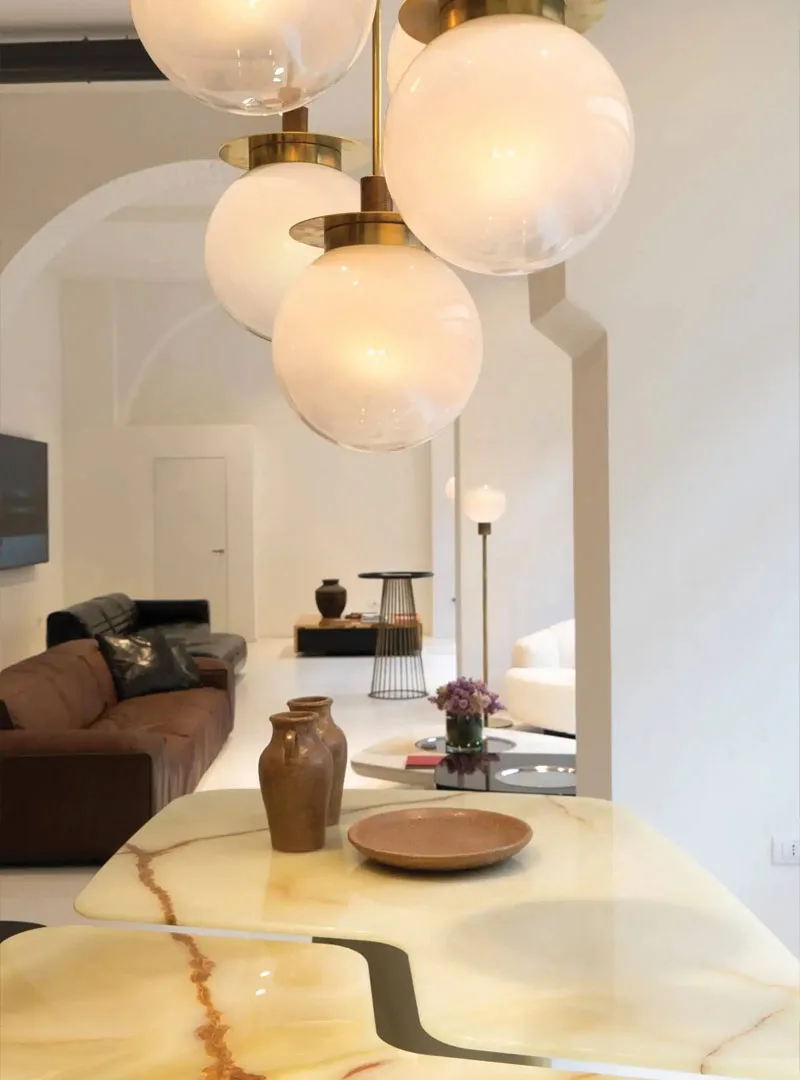
One of the most striking trends in luxury bathrooms is the use of backlit stone vanities.
How Backlighting Works
Translucent stones, such as onyx or certain engineered surfaces, allow light to pass through. LED panels placed behind the slab create a soft, diffused glow.
Backlit surfaces:
- Add depth without adding visual weight
- Provide ambient lighting at night
- Highlight natural stone patterns
When combined with mirror lighting, they contribute to a layered lighting scheme, an essential principle of architectural bathroom lighting.
Architectural Bathroom Lighting: A Layered Approach
Lighting in modern bathrooms is no longer a single-source solution. Instead, designers use multiple layers:
- Task Lighting: Provided by LED mirrors for grooming and daily routines.
- Ambient Lighting: Soft illumination from ceiling fixtures or concealed strips.
- Accent Lighting: Backlit stone surfaces or niche lighting for visual interest.
Smart vanities act as the central node connecting these layers. Their integrated systems ensure that lighting is both functional and visually balanced.
Installation Considerations
For successful implementation, planning must begin early in the design process.
Key Factors
- Electrical points must be aligned with the vanity design
- Wall reinforcement may be required for floating vanities
- Ventilation must be considered for enclosed cabinetry
- Mirror height and placement must suit user ergonomics
Coordination between architects, contractors, and suppliers ensures that the final installation performs as intended.
Why Smart Vanities Are Becoming Standard in Luxury Homes
The demand for Smart luxury vanities in Bangalore is driven by a shift in homeowner expectations. Buyers now look for:
- Convenience without visible complexity
- Precision lighting for daily routines
- Low-maintenance surfaces
- Seamless integration of technology
These features are particularly valued in urban homes where space efficiency and usability are critical.
Conclusion: Where Design Precision Meets Everyday Function
Smart vanities represent a convergence of design, engineering, and user experience. By integrating Kelvin adjustable bathroom mirrors, anti-fog designer mirrors, and advanced lighting systems, they transform the bathroom into a responsive, high-performance space.
For homeowners, this means better usability and visual comfort. For designers, it offers a platform to create cohesive, technically refined environments.
At MC Luxury, curated solutions in smart vanities, lighting systems, and premium bathroom fixtures are designed to meet the demands of modern luxury living. With the right integration, a vanity becomes more than a functional unit; it becomes the control centre of the bathroom.