
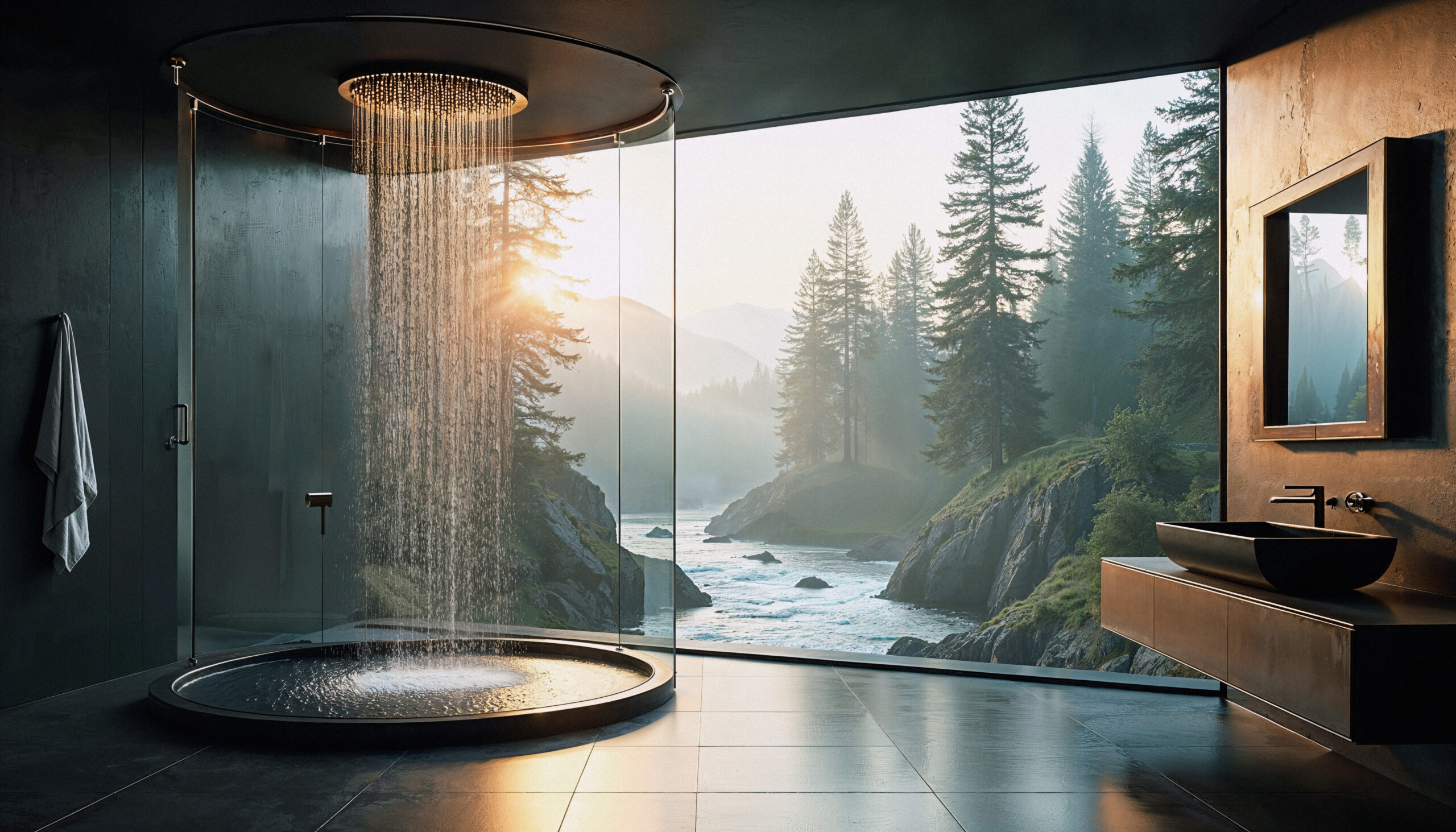
Modern luxury homes are no longer designed only for aesthetics or comfort. Increasingly, architects and homeowners are asking a deeper question: Can the spaces we live in actively improve our mental state and cognitive performance?
This question has given rise to neuro-architecture interior design, a discipline that studies how built environments influence human psychology, mood, and neurological responses. From lighting to acoustics, materials to spatial layout, every design decision can subtly shape how we think and feel.
One of the most compelling places where neuro-architecture is being applied today is the bathroom. In high-end residences and wellness-focused developments across Bangalore, the bathroom is evolving into a personal recovery zone. At the center of this transformation are chromotherapy shower systems, which combine water therapy with controlled light frequencies to support relaxation, focus, and emotional balance.
This article explores how chromotherapy technology, hydrotherapy principles, and advanced design thinking are shaping the next generation of cognitive wellness bathrooms.
The Rise of Neuro-Architecture Interior Design
Bathrooms were traditionally functional spaces, places designed for hygiene and routine. Neuro-architecture challenges this approach by viewing the bathroom as a restorative environment that influences neurological wellbeing.
The principle behind neuro-architecture interior design is simple: the brain constantly reacts to sensory inputs from its surroundings. Lighting temperature, color wavelengths, sound levels, and tactile materials all affect neural activity.
In the context of a bathroom, this means integrating elements that calm the nervous system while stimulating positive mental states.
This is where chromotherapy shower systems become particularly valuable. These systems combine water flow with therapeutic lighting to create a multi-sensory bathroom experience that engages both physiological and psychological responses.
Instead of a standard shower, users experience a carefully designed environment where water pressure, temperature, and colored light work together to influence mood and cognitive clarity.
The Science of Color and Cognitive Wellness
Chromotherapy, sometimes called color therapy, is based on the idea that different wavelengths of light affect the body and brain in distinct ways. While modern research continues to explore its mechanisms, the psychological influence of color is well established.
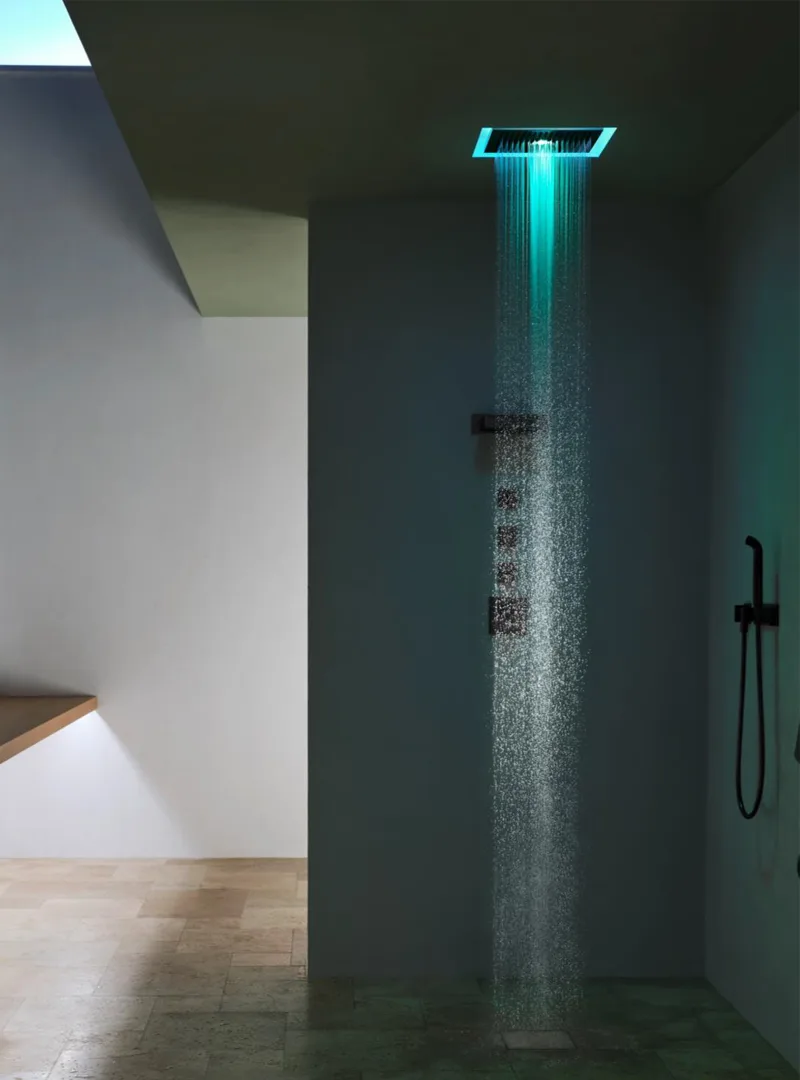
Chromotherapy shower systems integrate LED lighting directly into the showerhead or ceiling panel, allowing users to experience color in combination with flowing water.
Each color corresponds to specific sensory effects:
- Blue Light for Relaxation
Blue tones are widely associated with calmness and reduced mental stress. In a shower environment, soft blue illumination paired with warm water helps lower stimulation levels and prepare the body for rest.
- Green Light for Balance
Green sits at the center of the visible light spectrum and is often linked with emotional balance. In wellness bathrooms, it creates a natural, restorative atmosphere reminiscent of forests or open landscapes.
- Red Light for Energy
Red wavelengths stimulate alertness and circulation. Short bursts of red chromotherapy can help activate the body during morning routines.
- Amber or Warm White for Comfort
Warm tones promote relaxation and are ideal for evening showers that signal the body to slow down.
When integrated with advanced luxury showerheads, chromotherapy lighting becomes part of a holistic sensory system rather than a decorative feature.
Chromotherapy Shower Systems and Hydrotherapy Home Spa Concepts
Water therapy itself has long been associated with health benefits. From Roman baths to Japanese onsen traditions, civilizations have used water immersion and controlled temperature to improve circulation, relieve muscle tension, and encourage mental clarity.
Today, these ideas are being adapted into the modern hydrotherapy home spa.
In luxury bathrooms, hydrotherapy systems often include:
- Rain shower panels
- Body jets
- Temperature-controlled mixers
- Variable pressure showerheads
When these features are paired with chromotherapy shower systems, the result is a layered sensory experience.
For example, a morning routine might combine cool water with energizing light tones to stimulate alertness. An evening routine might shift toward warmer temperatures and calming colors to encourage relaxation.
This dual approach reflects a growing shift in residential design: bathrooms are no longer just functional rooms; they are tools for managing physical and cognitive wellbeing.
The Multi-Sensory Bathroom Experience: Water, Light, and Texture
Modern wellness design increasingly emphasizes multi-sensory bathroom experiences. Instead of focusing on a single feature, designers orchestrate several sensory elements simultaneously.
In a chromotherapy-enabled bathroom, the user experiences:
- Visual stimulation through colored lighting
- Tactile stimulation from water pressure and temperature
- Auditory calm from controlled acoustics
- Thermal comfort from precise water mixing systems
This layered sensory environment helps regulate the nervous system. The brain interprets these signals as cues for relaxation or energy, depending on the combination used.
For high-performance professionals who spend long hours in cognitive work, such environments offer a rare opportunity for a daily neurological reset.
Chromotherapy Shower Systems and Wellness Real Estate Bangalore
Across Bangalore’s luxury residential market, wellness-focused design is becoming a key differentiator. Developers are increasingly incorporating health-oriented features into new projects to attract discerning buyers.
In this context, wellness real estate in Bangalore has begun to integrate spa-inspired bathrooms as a core design component rather than an optional upgrade.
Features commonly seen in premium developments include:
- Walk-in rain showers with chromotherapy lighting
- Steam or hydrotherapy shower cabins
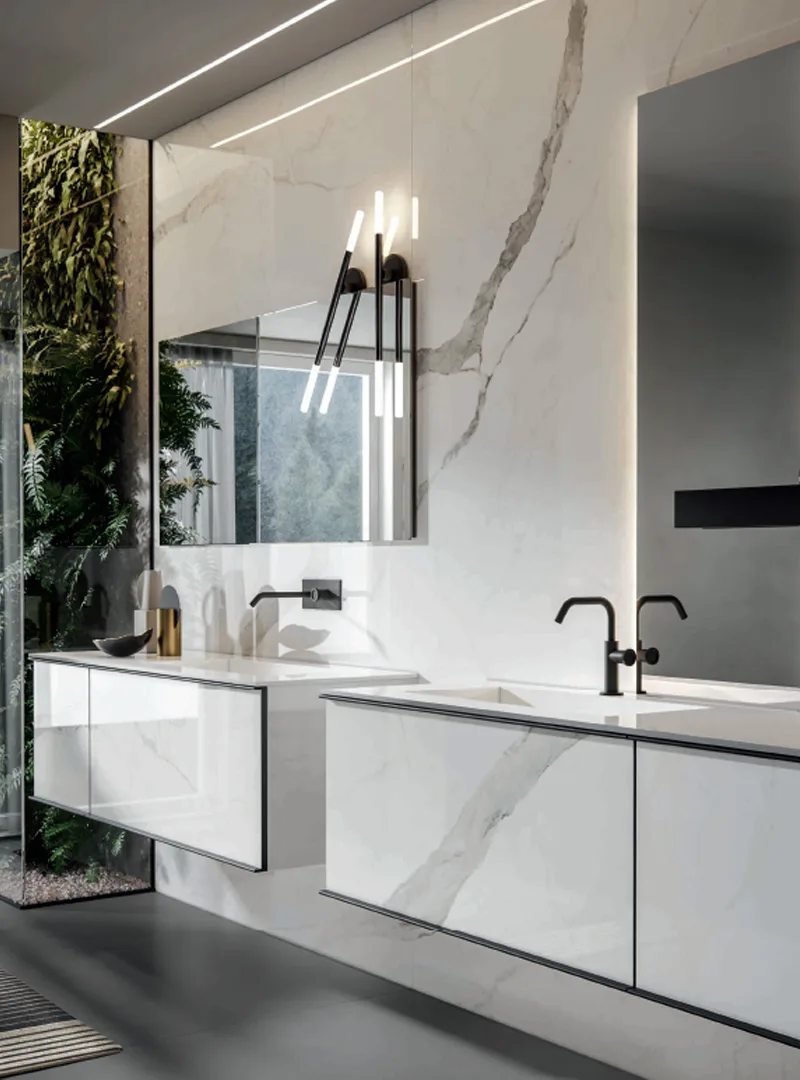
- Large-format stone surfaces for visual calm
- Smart temperature control systems
These installations reflect a broader shift in luxury housing. Buyers are not just investing in square footage; they are investing in lifestyle infrastructure that supports wellbeing.
Chromotherapy systems fit naturally within this framework because they combine wellness, design innovation, and technological sophistication.
Designer Spa and Wellness Fixtures for High-End Residences
For architects and developers, specifying the right fixtures is essential to achieving a cohesive wellness environment.
Premium bathrooms often incorporate designer spa and wellness fixtures such as:
- Integrated chromotherapy shower panels
- Ceiling-mounted rain showers
- Digital thermostatic controls
- Hidden drainage and concealed plumbing systems
These elements must work together seamlessly. The technology should remain largely invisible, allowing the space to feel calm and uncluttered while delivering advanced functionality behind the scenes.
Suppliers specializing in luxury bathroom solutions play a crucial role here by offering curated systems that align with architectural vision and engineering requirements.
Design Considerations When Integrating Chromotherapy Showers
Implementing chromotherapy technology effectively requires thoughtful planning.
Architects and designers typically consider:
- Lighting Integration: Chromotherapy should complement, not overpower, ambient bathroom lighting.
- Waterproof Electrical Systems: LED modules must meet strict waterproofing standards for safety and durability.
- Showerhead Positioning: Proper placement ensures that light diffuses evenly across the water stream.
- User Control Interfaces: Intuitive controls allow homeowners to switch between lighting modes and water settings easily.
When these elements are coordinated properly, chromotherapy systems enhance the space without introducing visual complexity.
Conclusion: Designing Bathrooms That Support Cognitive Wellness
Luxury bathrooms are entering a new era, one where design is informed not only by style but by neuroscience and wellbeing research.
By integrating chromotherapy shower systems, hydrotherapy features, and thoughtful spatial design, architects can create bathrooms that go beyond routine functionality. These spaces help users relax, recover, and mentally recharge in the comfort of their own homes.
For developers shaping the future of wellness real estate in Bangalore, such features offer meaningful value to discerning buyers. For individuals leading demanding professional lives, they provide a daily moment of clarity and balance.
At MC Luxury, curated collections of advanced shower systems and designer wellness fixtures help architects and homeowners bring these concepts into reality. When technology, design, and wellness thinking come together, the bathroom becomes more than a room; it becomes a place where the mind resets and the day begins again with renewed focus.